

FOOD HAS GONE ROGUE
If you’ve noticed your grocery shop looks very different to what it did 20 or 30 years ago, you’re not imagining it.
In the 90s, everything was about low fat. Then came the zero-sugar wave in the noughties. Now, it feels like every second product on the shelf is high protein. The packaging changes, the messaging evolves – but the underlying promise is often the same: this will help you lose weight.
Weight Loss Is BIG Business
Weight loss is a billion-dollar industry that capitalises on concerns around body image. For decades, fad diets have dominated the space. Now, new medications are in the spotlight, and the food industry is once again having to pivot to protect its profits.
We’re seeing a surge in “healthy” processed foods, carefully marketed to align with whatever the current trend happens to be. At the same time, ads—whether on social media, websites, or even in clinics—are increasingly encouraging people to seek professional help for weight loss.
Everyone, it seems, wants a piece of this lucrative pie.

Fuelling the fire
While one part of the system is focused on weight loss, another is working just as hard in the opposite direction.
Fast food is everywhere. It’s convenient, heavily marketed, and often designed to be hard to resist. Add in drive-through access, food delivery apps, and the ability to order almost anything without leaving home, and it’s never been easier to overconsume.
Then there’s social media—constantly serving up new food trends, “must-try” products, and viral recipes. What’s often framed as innovation is, in many cases, simply another way to keep us engaged and buying more.
So… Who Do You Listen To?
Nutrition advice is everywhere. Scroll for five minutes and you’ll see strong opinions on calorie deficit, macros, intermittent fasting, supplements, “clean eating,” and more.
The problem? Not all of it is grounded in good evidence.
Research gets simplified, taken out of context, or misunderstood. Headlines are designed to grab attention, not always to reflect accuracy. And while there is excellent information out there, it can be incredibly difficult to tell what’s credible and what isn’t.
It’s no surprise so many people feel confused—or even overwhelmed—when it comes to food and health.
A Supportive Approach
I actually stepped away from nutrition in the 1990s because of the heavy focus on weight loss. What brought me back 30 years later is something quite different: the complexity of our relationship with food.
At The Food Mind Collaboration, the focus isn’t on trends, restriction, or rigid meal plans. Instead, it’s about working with you to find practical, sustainable changes that suit your current lifestyle.
About Me
I’m Wendy, an Accredited Practising Dietitian and Clinical Hypnotherapist. I work across a range of nutrition concerns, with a particular focus on gastrointestinal conditions and eating disorders.
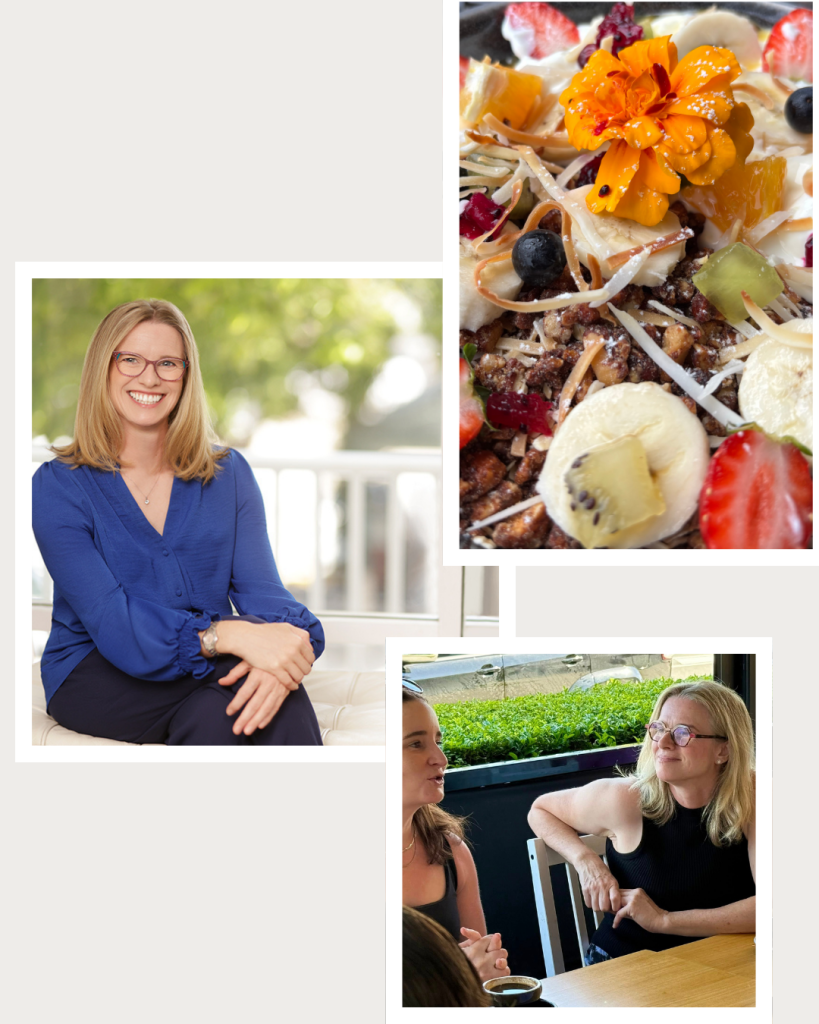
If you’d like to learn more, visit Wendy's website, or reach out via LinkedIn
I Support Clients With:
Gut Health:
- Coeliac disease
- Food intolerances
- Constipation and diarrhoea
- Reflux (GERD/GORD)
- Gastroparesis
- Irritable Bowel Syndrome (IBS)
- Inflammatory bowel disease
- Short bowel syndrome
Eating and Feeding Challenges:
- Emotional eating
- Avoidant/Restrictive Food Intake Disorder (ARFID)
- Binge eating
- Bulimia Nervosa
- Anorexia Nervosa
- Atypical Anorexia Nervosa